
Did you know that the majority of runners are wearing shoes that don't fit their running style? Wearing shoes that aren't the right match for you and how you run raises your risk of injury and even long-term problems. Therefore ensuring that you find the right shoe for you is critical.
One of the keywords you'll see coming up again and again when it comes to your running style is pronation. So what is pronation in the foot, why does it matter, what are the different types of pronation and how can you be sure you're choosing the right shoes for you? Find out more in our pronation guide below.

What is pronation of the foot and why does it matter?
The meaning of pronation is the natural movement of the foot and ankle that occurs during running or walking. Pronation is a combination of several movements that work together to help absorb shock and distribute the forces generated when the foot makes contact with the ground during each step. These movements are heel strike, midstance and push-off. Depending on your running and walking style, pronation types can differ. Find out what pronation style you have below.
Supination vs Neutral vs Overpronation

Underpronation
Also known as supination, underpronation means you land on the outside of the heel with minimal rolling, meaning your lower leg/ankle absorbs the majority of the impact. Runners with underpronation running types are more likely to have high arches.
To avoid underpronation and supination, opting for a shoe with maximal cushioning is likely to help mitigate some of the impact of your foot.
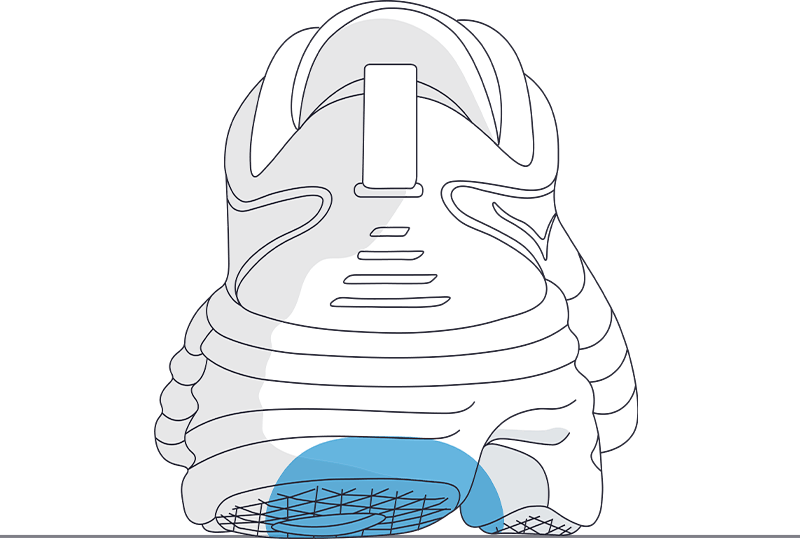
Neutral
If you have neutral pronation in running, this means that you land on the outside of the heel and then roll inwards to distribute impact and weight more evenly across the foot. This style of running is less likely to cause injuries as the shock is spread and less strain is placed on small parts of the foot and leg.

Overpronation
If you land on the outside of the heel and roll inwards to place weight on the inside of the foot, you’re likely to have overpronation when running and walking. Runners with flatter feet or low arches are more likely to overpronate and have overpronation wear on shoes.
If you overpronate it is crucial that you find suitable running trainers. Often shoes with added stability will help prevent your foot from rolling too far inward, mitigating the chance of discomfort and injury.
How can I find out my pronation style?
The good news is you don't need any complicated methods or specialist equipment to work out your natural pronation style and therefore which HOKA running shoes are best for you. Below we've outlined two of the most common pronation tests: the wear test and the wet test. Read on to find out more.
These quick methods should give you an idea of what type of support you might need from your running shoes; however if in doubt it is always a good idea to get a professional running gait analysis done at a specialist running store. Click here to find a HOKA stockist near you.
An easy way to quickly assess if you underpronate, overpronate or adopt a more netural running style is to look at your existing running shoes. The wear on the sole is a great indicator of which part of your foot is taking the majority of the impact and push off.
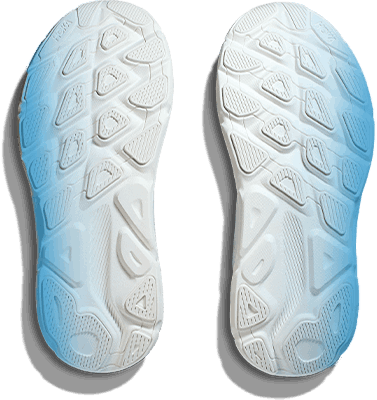
Wear on the outside sole
If you see most wear along the outside edge of the sole, you are likely to underpronate. You might benefit from running shoes with extra cushioning and arch suport.
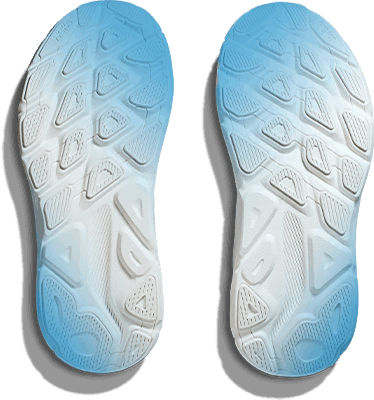
Wear on outer heel and big toe
If the sole's wear takes on an 'S' shape - from the outer heel to the big toe - you are most likely a neutral runner.
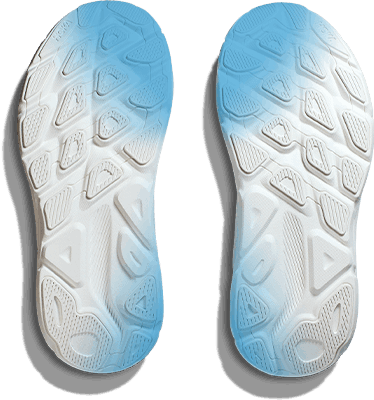
Wear on the inside sole
If wear is largely concentrated around the big toe, on the inside of the heel and under the ball of the foot, you likely overpronate as you run.
The wet test is an easy and quick way to work out your natural pronation. First, you will need a blank sheet of paper and some water. Simply dip your foot in the water and step onto the paper. The imprint left behind on the paper will give you a clear idea of how you land and where you place your weight as you walk/run.

High Arch
If your footprint is most made up of the heel, ball of the foot and the toes (with very little in the middle of the foot), then you have high arches and therefore are likely to underpronate. You might benefit from running shoes with extra cushioning and arch support.

Mid Arch
If you see the arch region between heel and toe completely about half filled in, this suggests you have a more neutral running style.

Low Arch/Flat Feet
If you see pretty much all of your foot on the paper, then this suggests flat feet and a tendanacy to overpronation. You might benefit from shoes with additional stability.

Recovery shoes for pronation
Whilst getting the right running shoes is very important, don't neglect your recovery footwear. Investing in a pair of recovery shoes for after your runs can help to reduce the pain caused by pronation. HOKA recovery shoes such as the Ora Slide provide protective cushioning to relieve stress on the foot post-run.

Find the right shoe for you
Understanding your pronation style is only one thing to consider; use our HOKA Shoe Finder to get personalised recommendations in minutes.
